
SPMECH
CNC Turning for Custom Metal Parts
Turned components made around the part you need. Send a drawing for review, or discuss a physical sample when the original production drawing is unavailable.
Request a QuoteRotational features, defined by your part
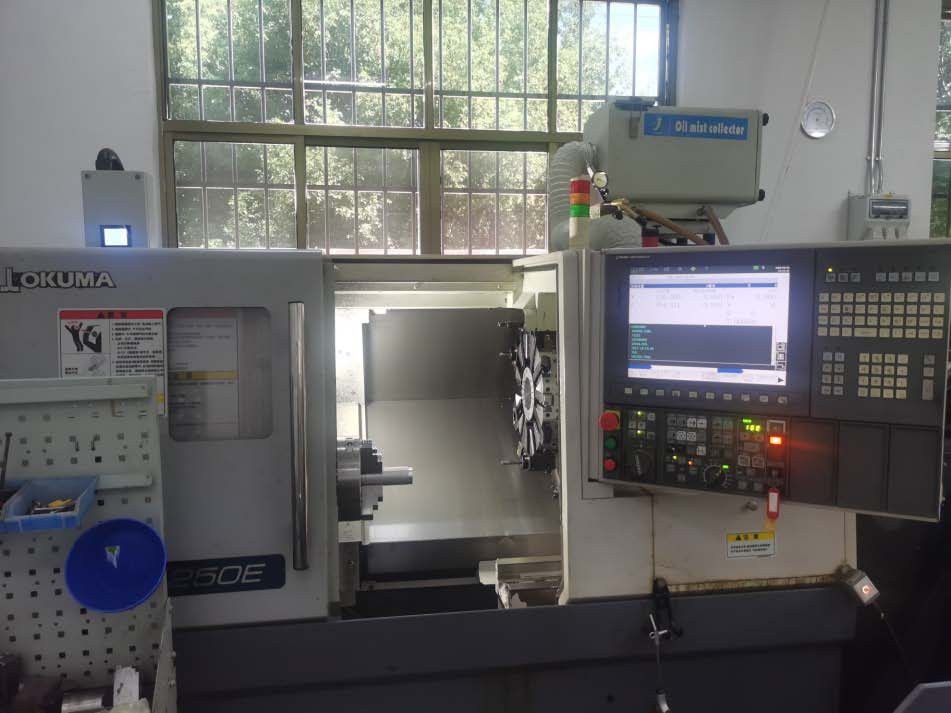
Shenpu's workshop includes a CNC lathe. Our product examples include a custom shaft, while the documented bearing retaining screw shows a stepped cylindrical body and a threaded end. These examples illustrate part types; each new geometry and machining requirement is reviewed separately.
Turning within a complete manufacturing sequence
In the retaining-screw project, CNC turning formed the basic rotational geometry. Machining-center work then produced the hexagonal head, followed by quenching and tempering, grinding and inspection. The sequence was chosen for that component, not as a mandatory process for every turned part.
Material and dimensional requirements
The documented replacement was made from 42CrMo alloy steel. For a new inquiry, specify the required material and identify mating surfaces, threads and critical dimensions on your drawing. Suitability, inspection requirements and any finishing operations are reviewed before a quotation is agreed.
Inspection tied to the project
A photographed check of the finished retaining screw recorded 14.994 mm. The case explains how its reference dimension was reconstructed from a damaged sample. That single reading is not a general turning tolerance or a complete inspection report.
Send the information that defines your part
- Drawing or clear photographs of the existing part
- Material, quantity and mating dimensions where known
- Thread details, finishing requirements and target dispatch date
PDF, STEP and photographs in JPG or PNG are accepted. Up to 10 files, 10 MiB total. For a physical sample, contact us before shipping.
Request a QuoteFrom damaged sample to working replacement
Read the 42CrMo retaining-screw case: the customer's problem, reconstructed drawing, manufacturing sequence and photographed inspection.
Read the case study →